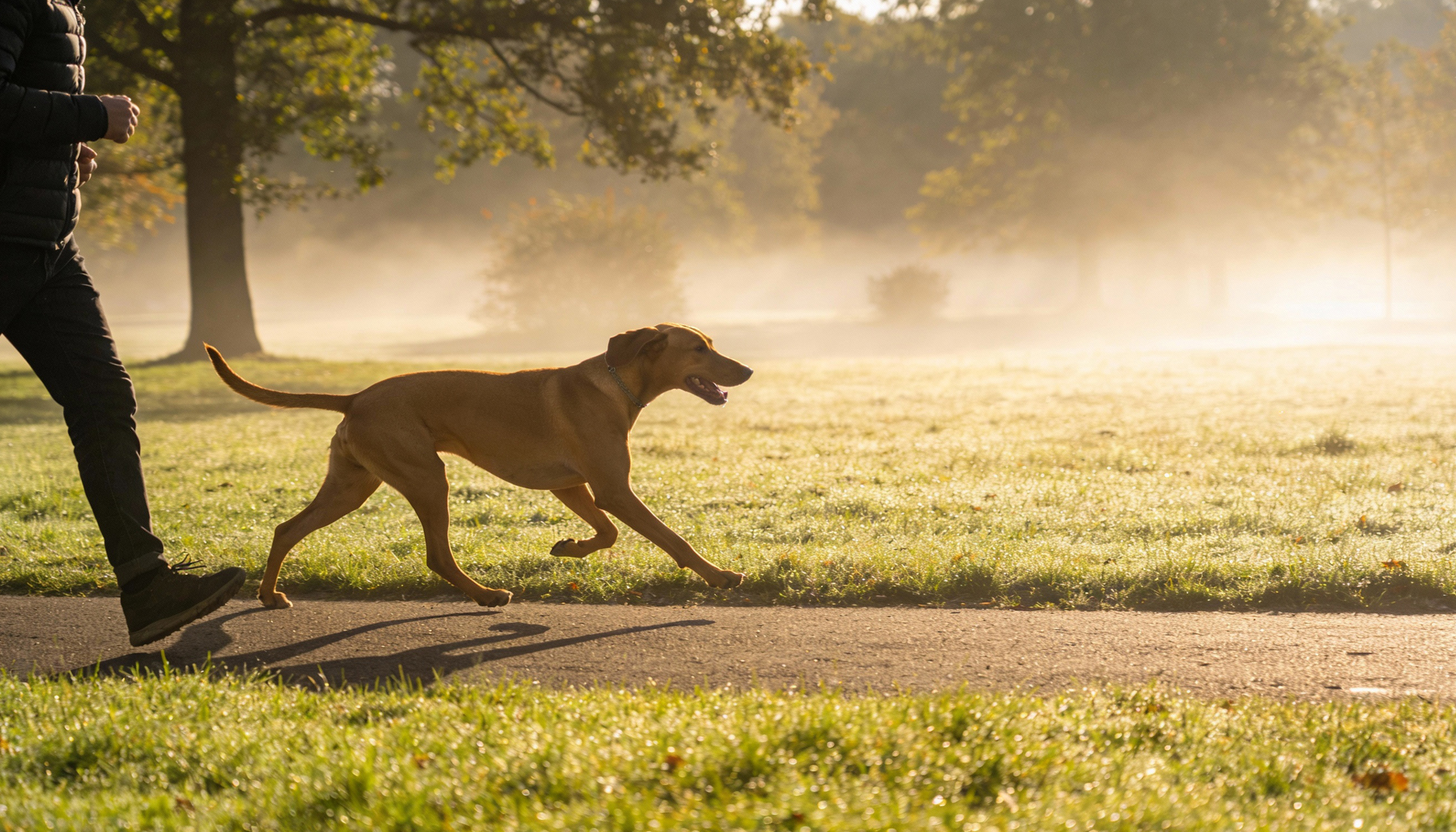
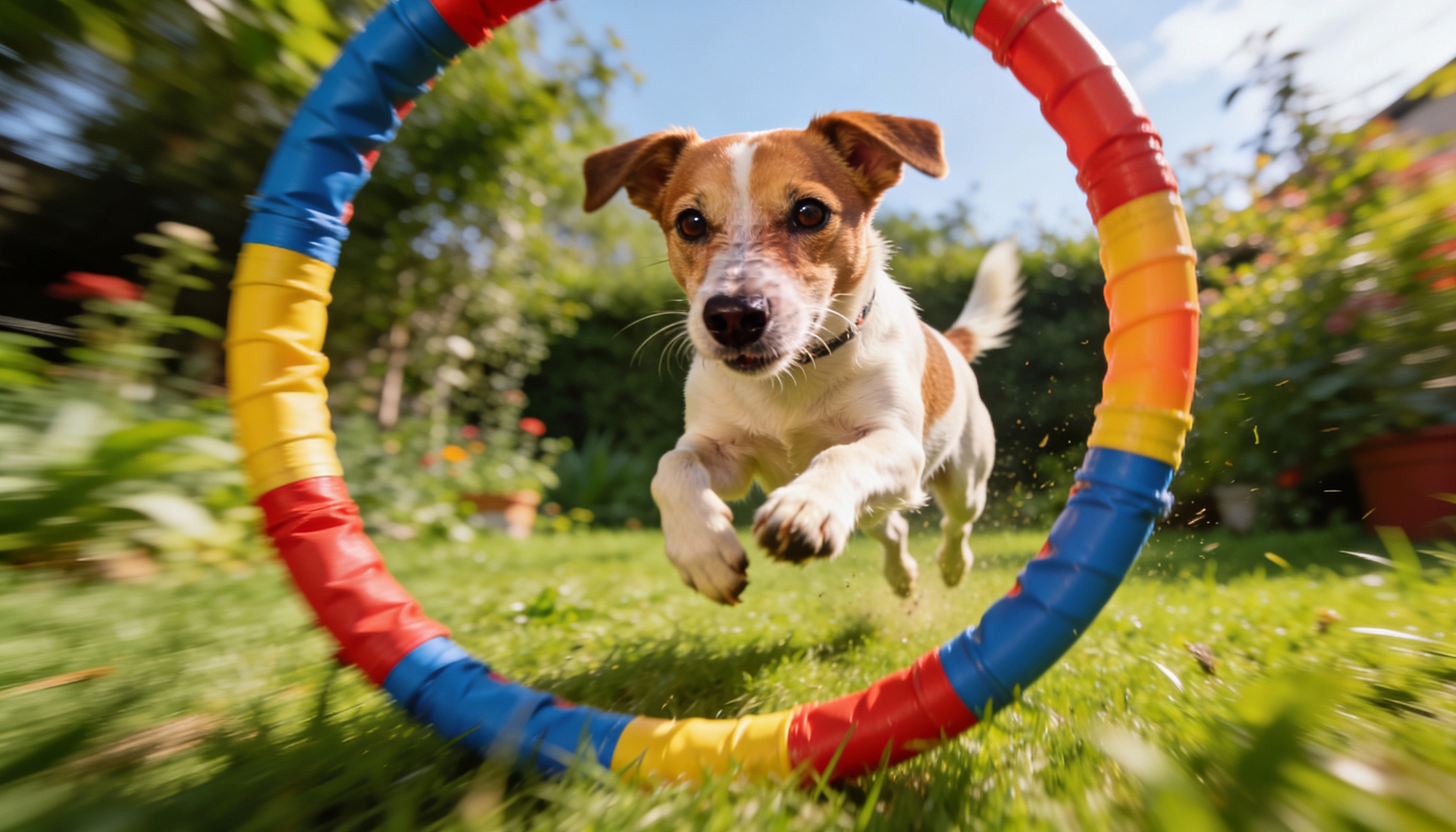
Raw dog treats have a built‑in superpower: dogs care about them. The smell, texture and taste of raw meat, organs and high‑meat freeze‑dried pieces often outcompete biscuits and low‑meat kibbles by a wide margin. That makes them a powerful tool for training and enrichment—if you use them with the same discipline you’d bring to any other high‑leverage asset. If you haven’t already, frame the topic with raw dog treats: the complete guide for dog owners, which explains what counts as a raw treat, where the safety and nutrition pitfalls are and how this article fits into the broader picture.
Why Raw Treats Work So Well In Training
Training lives and dies on reinforcement. The more your dog cares about the reward, the more you can ask of them in difficult environments. Raw dog treats—especially small pieces of meat or organ, or high‑quality freeze‑dried raw—tend to rank at the top of most dogs’ personal “pay scales.” That gives you an edge for: recall in distracting environments; handling and husbandry tasks (nails, brushing, vet procedures); behaviour modification, where you’re counter‑conditioning fear or reactivity; and advanced obedience or sport work where you need sustained focus. From a behaviour perspective, the logic is simple: pay more for harder work. From a practical perspective, that means you must also respect what you’re paying with—calories, fat, and in the case of raw, non‑trivial safety risks. The nutritional implications of using high‑value, high‑calorie rewards heavily, and why the “10% of daily calories from treats” rule still applies, are explained in nutritional benefits and drawbacks of raw dog treats.
Choosing The Right Raw Treat Format For Training
Not every raw treat format works well in a training session. Large bones and long‑lasting chews have their place, but it isn’t your recall class. For training, the ideal treat is: very small and uniform so you can deliver many repetitions without overfeeding; easy and clean enough to handle repeatedly; and high enough in value that your dog will choose you over the environment. That usually points toward: tiny cubes of lean raw meat or lightly seared meat (for those willing to handle fresh raw); small pieces of raw organ, used sparingly as “jackpot” rewards; or freeze‑dried or air‑dried raw treats that start as raw ingredients but are dried for convenience and easier handling. A format‑by‑format breakdown—bones, chews, organs, muscle meat and dried raw‑style treats—is laid out in types of raw dog treats: bones, chews, organs, and more. For training, you’ll almost always be working out of the meat, organ and freeze‑dried columns, not the heavy‑chew or bone columns.
Safety And Hygiene In Real‑World Training
The moment you leave your kitchen with raw treats in your pocket, safety questions shift from theory to logistics. Raw meat cubes and organs need refrigeration; they can drip; they can contaminate your hands, treat pouch and any surfaces you touch. In group classes or public spaces, that’s not just your risk—it’s everyone’s. If you use fresh raw in training, you need a plan: chilled containers or ice packs for transport; sealed treat pouches that can be washed or disinfected; wipes or access to handwashing between handling treats and touching other surfaces. Realistically, this is why many trainers and owners gravitate to freeze‑dried raw treats for work outside the home: they offer much of the same olfactory punch without the same mess and short shelf life once thawed.
Even at home, the basic hygiene principles from are raw dog treats safe? risks, bacteria, and hygiene practices still apply: treat raw training rewards like raw meat for human consumption; store them properly; clean bowls and training surfaces after use; and be extra careful in households with children, elderly relatives or anyone immunocompromised. The pathogens don’t care whether you’re “just” using slivers for recall; the same rules apply.
Managing Calories And Nutrition During Intensive Training
Good training uses a lot of repetition. A lot of repetition uses a lot of treats. If those treats are calorie‑dense raw meat or organ, the nutritional ledger can tilt quickly. Owners often notice this only when the dog starts to gain weight or has chronic soft stools. The fix is not to abandon raw as a training tool; it’s to integrate it into the whole diet plan. Start by estimating your dog’s daily calorie needs, then capping total treats—including raw—at around 10% of that number. On high‑training days, you can “fund” more raw rewards by reducing the size of main meals accordingly, as long as the base diet remains balanced. Fatter, richer treats should be either reduced in quantity or reserved for the very hardest work. Leaner, smaller pieces can populate routine drills. The calorie‑density and fat‑tolerance issues behind this strategy are explored in detail in nutritional benefits and drawbacks of raw dog treats.
Training Puppies, Adults And Seniors With Raw Treats
Life stage should always influence how you deploy raw treats. For puppies, the bar for using raw at all is high. Their immune systems and guts are immature, and their calorie needs and nutrient balances are tighter. Many owners find that high‑meat cooked or air‑dried treats are a safer choice for puppy classes and foundation training, postponing raw until growth is complete. For healthy adults, the use‑case is broadest: raw meat cubes, tiny organ morsels and freeze‑dried raw can all play a role, provided your household can handle the hygiene demands and you’re honest about calories. For seniors, dental wear, chronic disease and reduced energy needs generally push you toward softer, leaner, easier‑to‑digest options and away from anything too rich, hard or bacterially risky. A life‑stage‑by‑life‑stage framework—what’s realistic and what’s best avoided—is laid out in raw dog treats for puppies, adults, and seniors: what you need to know and should sit next to your training plan.
DIY vs Store‑Bought For Training Rewards
For training, DIY and commercial raw treats each have distinct strengths. Homemade raw treats let you cut meat and organs to the exact size you want, tailor fat content to your dog’s needs and use the precise proteins you know they tolerate well. Batch‑prepping tiny cubes and freezing them in labelled portions, as described in DIY raw dog treats: safe recipes and preparation tips, can give you a steady supply of high‑value rewards at a lower per‑treat cost.
Store‑bought raw and raw‑style treats, especially freeze‑dried products, tend to win on convenience and consistency. You get uniform, easy‑to‑handle pieces, clearer nutrition information and ready‑to‑go packaging that suits classes and travel. For many owners, a hybrid strategy works best: DIY for home‑based work where storage and cleanup are easy; commercial freeze‑dried raw for parks, classes and anywhere you need a pocket‑friendly solution. The trade‑offs in cost, safety and control between these routes are broken down in store-bought vs homemade raw dog treats: which is better, and when you’re ready to select brands, best raw dog treats: how to choose safe, high-quality brands gives you a filter to separate serious products from marketing exercises.
Using Raw Treats For Enrichment, Not Just Obedience
Training isn’t the only place raw treats shine. They can also power enrichment routines that reduce boredom and problem behaviours. Examples include: hiding tiny raw cubes or freeze‑dried pieces in snuffle mats; stuffing puzzle toys or slow feeders with a mix of your dog’s regular food and a few high‑value raw morsels; using small raw rewards in scatter feeding games around the garden; and incorporating very small amounts of raw into scent‑work setups, where the goal is to hunt and “find,” not just eat.
The same principles apply here: small pieces, strict portion control, and careful hygiene—especially with toys and surfaces that need to be cleaned afterwards. For dense chews and bones, think of them as stand‑alone enrichment sessions, not “treats” in the training sense. They can occupy your dog mentally and physically, but they’re hard to integrate into reinforcement‑heavy workflows and carry their own mechanical and safety risks, detailed in types of raw dog treats: bones, chews, organs, and more and are raw dog treats safe? risks, bacteria, and hygiene practices.
When Raw Isn’t The Right Training Currency
There are clear scenarios where raw dog treats simply aren’t the right choice for training and enrichment, regardless of their motivational power: households with very young children, elderly or immunocompromised members where the infection risk is unacceptable; dogs with a history of pancreatitis or complex GI disease, where high‑fat raw rewards are too risky; environments (like group classes in shared indoor spaces) where handling fresh raw would be impractical or unfair to others; and owners whose schedules or habits make strict raw‑handling hygiene unrealistic.
In those cases, you can still apply a “raw mindset”—high‑meat, recognisable ingredients, minimal fillers—without literal raw products. High‑meat cooked, air‑dried or freeze‑dried treats can deliver much of the same behavioural impact with a different risk profile. The comparative analysis in raw dog treats vs cooked, dehydrated, and commercial treats is designed for exactly this kind of decision: choosing the format that best aligns with your dog, your goals and your constraints.
Turning Raw Treats Into A Deliberate Training Tool
Using raw dog treats for training and enrichment isn’t about throwing “better snacks” at your dog. It’s about leveraging a powerful reinforcer within a structured plan. That plan looks like this: you understand the category via raw dog treats: the complete guide for dog owners; you choose formats that suit training using types of raw dog treats: bones, chews, organs, and more; you respect the safety constraints from are raw dog treats safe? risks, bacteria, and hygiene practices; you keep calories and nutrition aligned with nutritional benefits and drawbacks of raw dog treats; and you adjust all of it for your dog’s life stage using raw dog treats for puppies, adults, and seniors: what you need to know. Once those pieces are in place, raw treats stop being a trendy add‑on and become what they should be: a precise, high‑impact training currency you know how to spend wisely.