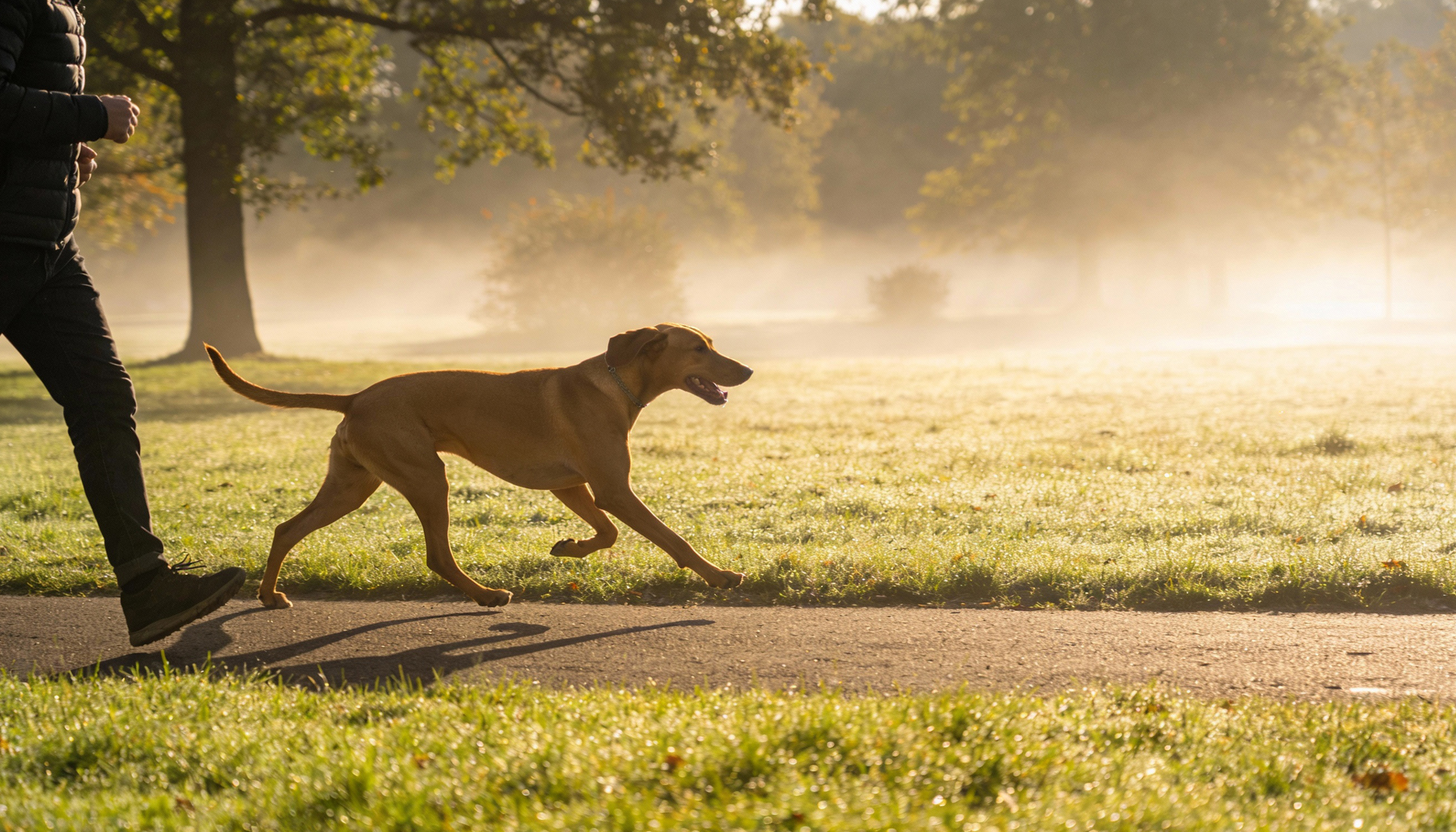
Gut issues are one of the most common reasons people start looking into raw dog supplements —especially during the kibble-to-raw transition. If you want the full “essentials” overview first, go back to the hub: raw dog supplements.
Do Raw-Fed Dogs Need Probiotics?
Not always. But probiotics for raw fed dogs can be useful when a dog has symptoms like diarrhea, gas, bloating, or indigestion, because probiotics are live beneficial bacteria that help create a healthier gut environment and support overall wellness/immunity .
Probiotics are especially commonly considered when:
- You’re switching diets (including kibble → raw), or
- Your dog recently had antibiotics, stress, or stomach upset (these are common “use cases” mentioned in digestive-support guidance) .
Also, research reviews report probiotic treatments in dogs have been associated with improved fecal quality (better stool) and reductions in nitrogen fermentation byproducts (which can affect stool odor) . That said, outcomes vary by strain and dog.
If your dog’s “gut issue” is actually a bone/calcium problem (hard stool/constipation), probiotics won’t fix the root cause—see: calcium for raw-fed dogs (bone balance and ratios).
Probiotics vs Prebiotics vs Postbiotics
These get mixed up constantly, but they’re different tools.
- Probiotics: live microorganisms that can help maintain microbial balance in the gut .
- Prebiotics: “food” for gut microflora—some ingredients naturally contain them, and some supplements add them intentionally .
- Postbiotics: not defined in the provided sources, but in practice this term is often used for beneficial compounds produced by microbes. If a product label uses “postbiotics,” confirm it clearly explains what it contains and why.
Common strains you’ll see on labels include:
- Lactobacillus, described as a common probiotic that produces lactic acid and has been found to enhance intestinal health and improve immune function in dogs .
- Enterococcus, noted for aiding digestion and helping maintain a healthy bacterial mix in the GI tract—potentially useful when switching diets or after antibiotics .
- Some supplements also use spore-formers like Bacillus subtilis, described as a probiotic bacteria found in soil and the canine gut , and studies have reported improved fecal score with Bacillus species in dogs .
When Digestive Enzymes Help (and When They Don’t)
Digestive enzymes for dogs raw diet are usually considered when a dog seems to struggle breaking down food (gas, bloating, inconsistent stool), especially during diet changes.
What enzymes may do:
- Enzymes can support digestion and nutrient breakdown; for example, cellulase is discussed as breaking down cellulose and potentially helping with bloating/gas associated with high-fiber intake .
- Some enzyme blends include bromelain, described as an enzyme from pineapple that helps digest proteins and supports a normal inflammatory response .
When enzymes may not be the right first move:
Fiber on Raw: The Missing Piece for Some Dogs
A common raw-feeding surprise: some dogs do better with a little extra fiber for stool quality and gut comfort.
Psyllium, pumpkin, inulin, veggie fiber
Options raw feeders commonly try (one at a time):
- Psyllium: often used to add soluble fiber and improve stool consistency (introduce slowly).
- Pumpkin: widely used for fiber; raw goat milk products sometimes include pumpkin and ginger specifically “for fiber and to support digestion” .
- Inulin / prebiotic fibers: these act as prebiotics (food for gut microflora) .
- Veggie fiber: depends on the dog; some do great, some get more gas.
If you add fiber and your dog gets more bloated or gassy, reduce the amount and slow down—some enzyme/probiotic formulas specifically mention helping with gas/bloating .
Common Problems & Fixes (Raw Diet Digestion)
This section is symptom-based. The point is to pick the right lever first.
Constipation / hard, chalky stools
Most often points to too much bone or an overly “bony” ratio—not a lack of probiotics. Go to: calcium for raw-fed dogs (bone balance troubleshooting).
Diarrhea / loose stool
Common causes include:
- Transition too fast (gut needs time)
- Too much fat too soon
- Sensitivity to a new protein
- Overdoing fish oil
If loose stool began after starting fish oil, adjust omega-3 dose and ramp speed: fish oil for raw diet dogs + vitamin E strategy. Omega-3 guides commonly recommend introducing fish gradually and that same “go slow” logic applies to oils.
Gas / bloating
Probiotics can help rebalance the microbiome when digestive issues like gas/bloating are present . Some enzyme + probiotic blends also position themselves for gas relief .
Mucus in stool
Often linked to irritation or rapid diet change. Slow your transition and simplify ingredients. If it persists or worsens, ask your vet.
Picking a Product (Probiotic/Enzyme/Fiber)
Gut products vary wildly. Use this checklist so you don’t buy something random.
- Clear label with strains listed (not just “probiotic blend”). Strains commonly found in dog products include Lactobacillus and Enterococcus .
- Use case stated clearly: some products are positioned for dogs with diarrhea/gas/indigestion ; use that as a clue, not proof.
- Storage instructions you can follow: some gut powders note they do not need refrigeration and should be stored in a cool, dry place . Follow the label—heat and moisture can reduce viability.
- Avoid mystery “kitchen sink” stacking: If you’re already using a comprehensive product (probiotics + enzymes + prebiotics) , don’t automatically add separate enzyme and probiotic products on top unless you have a reason.
Transition Protocol (Kibble → Raw): A Simple Stepwise Plan
Switching diets is a common time to use probiotics because they can help maintain a healthy GI bacterial mix when switching diets .
A conservative transition approach:
- Start with one protein and a simple recipe for several days.
- Increase raw gradually (don’t jump from 0% to 100% overnight for sensitive dogs).
- Consider a probiotic during the transition if your dog tends to get diarrhea/gas with diet changes .
- Add new proteins one at a time, several days apart.
- Only after stools are stable, consider add-ons like oils (omega-3) or extra fiber.
If you’re building a complete plan (not just fixing symptoms), go back to: raw dog supplements.
Internal links (cluster navigation)